

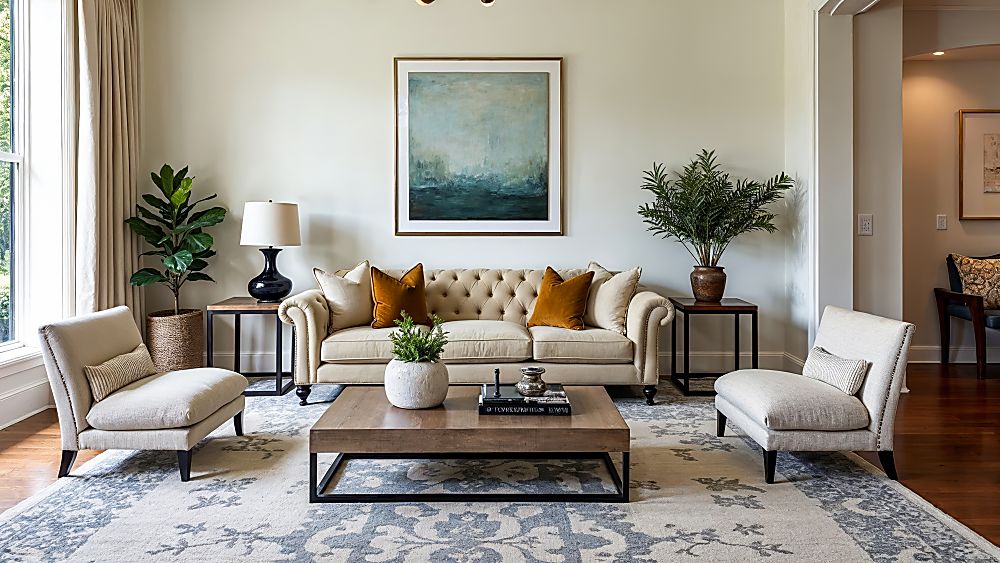
Can you layer area rugs over hardwood and laminate flooring without damaging the surface underneath?
Yes, you can safely layer area rugs over both solid or engineered hardwood and laminate floors when you pair them with a breathable, non-staining rug pad, keep the sub-surface clean and dry, and choose the right pile heights for your room layout. Layering a smaller decorative rug on top of a larger base rug is one of the easiest ways you can add warmth, texture, acoustic comfort, and extra scratch protection to your living spaces.
At Laws Flooring & Rugs, we have spent over 25 years helping you protect and elevate your floors with our guiding mission of "Creating Beautiful Things Together." Whether you are styling brand-new hardwood or refreshing durable laminate flooring in your living room, dining room, or bedroom across Jonesboro, Paragould, Wynne, Blytheville, Pocahontas, and Newport, AR, following a few simple guidelines ensures your layered rugs look intentional while keeping your hard surfaces pristine.
Why Should You Layer Area Rugs Over Hardwood and Laminate Flooring?
Layering area rugs gives you both design flexibility and practical floor protection. When you have open-concept living areas with expansive hardwood or wood-look laminate, a single rug can sometimes feel either too small for the room or too uniform in texture. By placing a large, neutral base rug over your hard floor and topping it with a smaller patterned or plush accent rug, you define your seating or dining zones while softening footsteps and echoes.
In Northeast Arkansas, your floors also deal with seasonal humidity shifts, gritty soil tracked in from outdoor spaces, pet claws, and busy family foot traffic. Properly layered rugs act as a protective shield over your high-traffic walkways, absorbing daily wear before it ever reaches your hardwood finish or laminate wear layer.
The Do’s of Layering Area Rugs Over Hardwood and Laminate
Do Start With a Breathable Felt and Natural Rubber Rug Pad
What is the safest rug pad to use on hardwood and laminate flooring? You should always place a breathable rug pad made of 100 percent felt or a combination of dense felt and natural, non-staining rubber directly on your floor under your base rug. Felt cushions your footsteps, prevents the coarse backing of your bottom rug from scuffing your wood or laminate, and allows air to circulate when seasonal Arkansas humidity rises. To keep your top rug from bunching or sliding over your bottom rug, you can place a thin rug-to-rug grip pad between the two layers.
Do Scale Your Base Rug and Top Rug to Your Furniture Layout
How do you size layered area rugs so your room looks balanced? Your bottom rug should be large enough to anchor your entire furniture grouping, with at least the front legs of your sofa and accent chairs resting comfortably on its surface, leaving about 12 to 18 inches of visible hardwood or laminate around the perimeter of the room. Your top rug should generally measure about two-thirds the size of your base rug so a generous border of the bottom rug remains visible all the way around.
If your room has unique dimensions or an angled layout, you do not have to settle for standard stock sizes. At Laws Flooring & Rugs, we offer custom-sized area rugs along with professional in-house carpet and area rug binding at our Jonesboro showroom. We can cut and bind broadloom carpet from trusted brands like Karastan, Anderson Tuftex, Mohawk, Shaw Floors, Aladdin, DreamWeaver, Pentz, and Engineered Floors to fit your exact measurements.
Do Pair Low-Pile Base Rugs With Textured Accent Rugs
For the cleanest look and safest footing, you should choose a flatweave, low-pile wool, or tightly woven synthetic rug for your bottom layer. A flat, stable base allows your top rug to lie smooth without rippling at the edges. Once your flat base is in place, you can introduce a softer, plush patterned rug on top to bring color and comfort under your coffee table or at the foot of your bed.
Do Clean Beneath Your Rugs With Floor-Safe Cleaners
Even the thickest layered rugs allow microscopic dust and fine grit to filter down over time. If that dirt stays trapped between your rug pad and your floor, footsteps can grind it into your hardwood finish or laminate surface like fine sandpaper. Every few months, you should roll back your rugs, vacuum both sides, and clean your exposed floor using specialized floor care products, such as the Vogue cleaning products available at our Jonesboro showroom, before setting your dry rugs back in place.
The Don’ts of Layering Area Rugs Over Hardwood and Laminate
Don’t Use Plastic, PVC, or Synthetic Latex-Backed Rugs
Why do some rugs leave yellow stains or grid marks on hardwood and laminate? Cheap waffle-style PVC pads, plastic backings, and synthetic latex adhesives trap moisture and release chemicals that react with polyurethane hardwood finishes and laminate wear layers. This chemical reaction can cause permanent yellowing, clouding, or sticky residue on your floor. You should also avoid double-sided carpet tape directly on wood or laminate, as the adhesive can peel away your protective finish when removed.
Don’t Layer Rugs Over Damp Floors or Uncured Hardwood Finishes
Moisture is the biggest threat to both solid hardwood and laminate planks. If you are layering rugs near entryways, kitchens, or indoor-outdoor living spaces at your home or business in Jonesboro, Paragould, Wynne, Blytheville, Pocahontas, and Newport, AR, never lay a rug over a damp floor. Trapped moisture can cause laminate edges to swell and hardwood boards to cup. Additionally, if we have just installed or refinished your hardwood floors, wait until the finish has fully cured according to product guidelines before placing rugs down, and rotate your rugs periodically so natural sunlight ages your wood tone evenly.
Don’t Stack Thick Rugs in Doorways or High-Traffic Walkways
Stacking two high-pile rugs in a busy hallway or right inside a doorway creates an uneven ledge that can catch your shoes or block swinging doors. Keep your double-layered rug arrangements centered within your seating areas, dining spaces, or bedrooms, and use a single low-profile bound runner in narrow hallways and foyers.
Frequently Asked Questions About Layering Rugs on Hard Surfaces
Will a Natural Fiber Rug Scratch Your Hardwood or Laminate Floor?
Rough natural fibers like sisal, seagrass, and raw jute are popular choices for base rugs, but their coarse woven backs can scratch hardwood and dull laminate if placed directly on the floor. You can easily prevent scratches by placing a solid felt pad beneath a natural fiber rug, or by visiting our showroom to explore soft-backed custom bound rugs that give you a woven, organic look with a gentle underside.
How Much Do Custom Area Rugs or New Hardwood and Laminate Floors Cost?
Because every room has unique dimensions and traffic needs, your project pricing depends on your exact room measurements, subfloor condition, and material selection. At Laws Flooring & Rugs, we make planning straightforward with everyday low prices, flexible financing options including Synchrony financing (subject to credit approval), and acceptance of all major credit cards. We always invite you to request a Free In-Home Estimate so we can take precise measurements and give you an accurate, transparent quote.
Create Your Custom Layered Look With Laws Flooring & Rugs
Whether you want to design a custom bound base rug, shop premade area rugs, refinish your existing wood floors, or upgrade to new hardwood, laminate, or waterproof luxury vinyl, our family-owned team at Laws Flooring & Rugs is here to help you bring every detail together. Stop by our showroom in Jonesboro or give our team a call to schedule your free in-home estimate or personalized design consultation, as we proudly serve you across Jonesboro, Paragould, Wynne, Blytheville, Pocahontas, and Newport, AR.


