

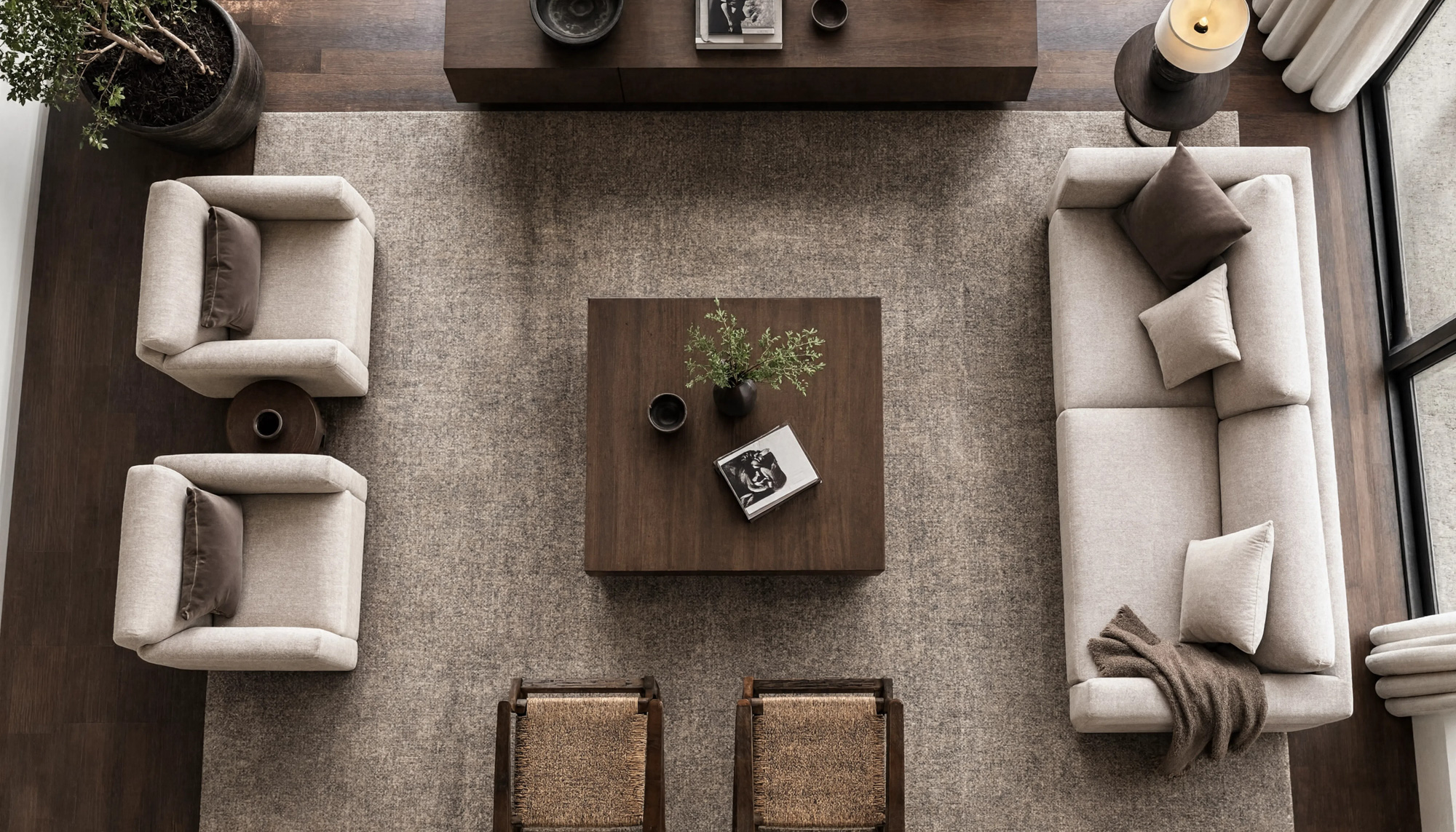
Laminate flooring brings exceptional durability, easy maintenance, and the realistic look of genuine hardwood to your interior spaces. However, smooth hard surfaces can occasionally feel brisk beneath your bare feet and cause ambient sound to bounce across open floor plans. Pairing an area rug with laminate flooring immediately solves both challenges by introducing thermal insulation, acoustic comfort, and tactile softness that balances sleek wood-look planks.
Beyond physical comfort, area rugs protect your laminate from daily wear and tear. Heavy foot traffic, sliding chair legs, and energetic pets can gradually scratch the protective wear layer of your floors. An area rug acts as a protective shield in high-traffic zones while visually defining conversational areas and anchoring your furniture. When you thoughtfully layer textiles over your hard surfaces, you create a harmonious balance between practical resilience and cozy, welcoming warmth.
What Size Rug Works Best for Your Laminate Floors?
To achieve a balanced look, choose an area rug that leaves between 10 and 18 inches of exposed laminate flooring around the perimeter of the room. Exposing a consistent border of flooring prevents your room from looking overcrowded while celebrating the rich grain and color of your laminate planks. Selecting a rug that is too small can make your entire space feel disjointed, while an oversized rug can overwhelm the room and conceal the beautiful flooring you invested in.
Living Room Rug Sizing and Layouts
In your living room, your rug should visually anchor your primary seating group. You can place all furniture legs on the rug for large, open living rooms, or place just the front legs of your sofas and accent chairs on the rug for medium-sized layouts. This front-legs-on technique connects your seating pieces into one cohesive conversation zone while leaving plenty of laminate visible around the room edges. Avoid placing a small floating rug in the center of your coffee table that touches none of your furniture, as this visually shrinks your living area.
Dining Room and Bedroom Proportions
In your dining room, select an area rug that extends at least 24 inches beyond every side of your dining table. This extra clearance ensures that your dining chairs remain securely on the rug surface even when you pull them out to sit down, preventing chair legs from catching on the rug edges or scratching your laminate. In your bedroom, place a rug under the bottom two-thirds of your bed so it extends 2 to 3 feet on both sides and at the foot of the mattress, giving you a warm, soft landing spot when you step out of bed each morning.
Which Rug Materials Bring the Most Warmth and Comfort to Laminate?
The best rug materials for laminate flooring combine natural thermal insulation, underfoot softness, and floor-safe backings. Wool, plush synthetic blends, and low-pile performance fibers each offer unique advantages depending on your daily routine and design preferences.
Wool and Plush Textures for Thermal Insulation
Wool is the premier choice for warming hard surfaces because natural wool fibers possess a three-dimensional crimp that traps air pockets, creating an insulating thermal barrier against cool subfloors. Wool is also naturally resilient, crush-resistant, and flame-retardant, making it an enduring investment for your living rooms and bedrooms. If you prefer high-pile or shag rugs, plush synthetic fibers such as polyester and micro-polyester provide cloud-like softness underfoot, perfect for cozying up family rooms and reading nooks.
Performance Fibers for High-Traffic Everyday Living
For busy hallways, entryways, and family living spaces, low-pile rugs crafted from solution-dyed nylon, polypropylene, or performance polyester offer outstanding stain resistance and effortless cleaning. These fibers resist crushing and hold their vibrant colors against daily wear and sunlight. If you appreciate the organic look of natural plant fibers like jute or sisal, verify that the backing is smooth or layered over a protective pad, as rough natural plant backings can cause micro-scratches on smooth laminate surfaces over time.
What Type of Rug Pad Protects Laminate Flooring?
You must always pair an area rug with a high-quality rug pad to keep the rug securely in place and protect your laminate finish from scratches, friction, and moisture discoloration. The best rug pad for laminate flooring is a dual-surface pad constructed from dense needle-punched felt topped with a natural rubber backing.
Natural rubber provides non-slip traction that grips smooth laminate without sticking or transferring chemicals to the wear layer. Meanwhile, the dense felt core provides plush cushioning that absorbs the impact of footsteps and furniture weight. Never use inexpensive plastic, PVC, or synthetic waffle-grid rug pads on laminate flooring. Cheap synthetic pads often contain petroleum-based plasticizers that can chemically react with laminate finishes, leaving cloudy, permanent discoloration or sticky residue that ruins the appearance of your floor.
How Can You Style Area Rugs for Northeast Arkansas Living?
Designing your spaces in Northeast Arkansas requires thoughtful attention to changing seasons. As you navigate humid summers and brisk winter freezes across Jonesboro, Paragould, Wynne, Blytheville, Pocahontas, and Newport, AR, your flooring choices need to adapt to shifting temperatures and active lifestyles.
Layering area rugs over laminate helps you control seasonal comfort effortlessly. During colder months, dense woven rugs insulate your living areas, keeping indoor heat inside and warming up cool mornings. During warmer seasons, flatweaves and low-pile rugs keep spaces feeling fresh, airy, and easy to maintain. Placing durable, low-profile runners in your foyers and mudrooms protects your laminate from tracked-in red clay, outdoor grit, and rain, preserving your planks for decades of daily enjoyment.
To create visual harmony, balance the undertones of your laminate planks with your rug palette. If you have cool gray or blonde oak laminate, warm earth-toned rugs featuring terracotta, cream, or warm beige can add cozy contrast. If your laminate features deep, rich espresso or walnut tones, lighter ivory, soft sage, or muted blue rugs brighten your rooms and highlight the deep grain patterns beneath.
Why Choose Custom Area Rugs and Binding for Hard-to-Fit Spaces?
Standard off-the-shelf rugs do not always match the unique architectural dimensions of your home. When you have an expansive open-concept living area, an elongated hallway, an angled hearth, or a distinctive room configuration, a standard rug size can look awkward or leave unbalanced borders.
At Laws Flooring & Rugs, we provide custom area rugs and professional in-house carpet and area rug binding services to tailor textiles to your exact room specifications. You can select your favorite broadloom carpet from our premier catalog, including plush textures, patterned weaves, and stain-resistant fibers, and our skilled team will cut and bind the edges with flawless precision. Custom sizing ensures your rug frames your laminate flooring with balanced borders, delivering a tailored, designer-grade look built to your exact specifications.
Visit our showroom in Jonesboro or reach out to our team today to schedule your free in-home estimate and personalized design consultation. With over 25 years of family-owned experience, we are dedicated to creating beautiful things together with you across Jonesboro, Paragould, Wynne, Blytheville, Pocahontas, and Newport, AR.
Frequently Asked Questions About Pairing Rugs with Laminate Flooring
Will an area rug damage or discolor laminate flooring?
An area rug will not damage laminate flooring as long as you use a breathable natural rubber and felt rug pad underneath. Damage typically occurs only when you place rugs with rough, abrasive backings directly onto laminate or when you use cheap synthetic PVC pads that chemically discolor floor finishes.
Can you layer multiple rugs over laminate flooring?
Yes, layering rugs over laminate flooring is an excellent way to create depth, rich texture, and visual interest. Start with a large, low-pile neutral rug made of wool or flatweave performance fiber to anchor the space, then layer a smaller patterned, vintage-inspired, or high-pile accent rug on top at an angle or directly centered beneath your coffee table.
How often should you clean under an area rug on laminate?
You should lift your area rug and clean underneath every two to four weeks. Dust, pet dander, and fine grit can filter through rug weaves and settle onto your laminate. Vacuuming and gently sweeping underneath removes abrasive particles before foot traffic grinds them against your laminate finish.


